
Biodynamic Craniosacral Therapy
What is Biodynamic Craniosacral Therapy?
BCST (Biodynamic Craniosacral Therapy) is a gentle profound non-invasive, hands-on treatment for the whole body. BCST focuses on supporting the health of the whole being, especially the central nervous system (CNS). It is a highly skilled way of listening to the bodies health expressions.
Biodynamic Craniosacral Therapy takes a whole-person approach to healing and the inter-connections of mind and body are deeply acknowledged. It is an effective form of treatment for a wide range of illnesses helping to create the optimal conditions for health, encouraging vitality and facilitating a sense of well-being. It is suitable for people of all ages including babies, children and the elderly, and can be effective in acute or chronic cases.
How does Biodynamic Craniosacral Therapy work?
Biodynamic Craniosacral Therapy or BCST is a subtle and gentle entire body approach to the human experience. BCST places an emphasis on what organises Health in the living system, much more than the patterns of distress or dysfunction.
Through placing skilled, listening hands on specific areas of the body (cranium, sacral, and other areas) the story of your body begins to reveal itself through subtle patterns held in the fluids (CSF) and tissues. Areas of compensation, limitation, blocks, holding, restrictions, lack of functionality and stored emotions can be helped to release.
Physically - BCST connects with the Central Nervous System (CNS), the brain and spinal column and the Cerebral Spinal Fluid (CSF) that bathes it. From our skeletal system and the bones of the cranium, to the ebbing and flowing of our endocrine system, BCST gently and effectively enlists
the body's own self-correcting mechanism for healing.
Emotionally - Through SER (Somato Emotional Release) BCST can positively affect very deep and primary patterns and provide you with resource and space to explore your emotional landscape. BCST provides clients with a deep sense of resourcing and a safe environment for stored emotions to release from the body.
Who is it for?
BCST is for everybody (including babies).
For people in discomfort or chronic pain, those who have tried everything with no real results. BCST is for those who are looking for core
healing, rather than a short-term fix.
BSCT is also recognised as a great preventative health measure because of it's effectiveness in treating wide range of medical problems associated with pain and dysfunction.
Many clients incorporate BCST into their on-going self-care regime to support their overall well-being.
How many sessions will I need?
Response to BCST varies from individual to individual and condition to condition. After your initial consultation we will discuss a treatment plan specifically for you and your health needs.
Note: Some clients will experience a noticeable shift after their initial appointment and may look to have between 3-6 sessions (weekly).
Other clients who are experiencing chronic health challenges would benefit from a number of sessions for optimum benefits (10 or more over a 2-3 month period).
How long is a treatment?
BST treatments generally take up to a 1 hour.
Treatments with newborns are often faster - sometimes just 20-30 minutes. Newborn treatments are booked for 45 minutes to allow for feeding breaks if necessary.
What can I expect a session to be like?
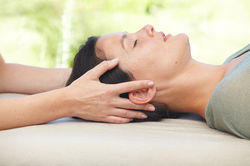
You will be fully clothed during your treatment - loose fitting clothing works best. Aimée will gently and respectfully hold various places on your body (cranium, sacrum, and other areas) to tune into your Craniosacral rhythm to locate and release tensions in your system. Most clients find this very relaxing - you may even fall asleep or go into a dream-like state.
As the treatment continues, it is not uncommon for a symptom to intensify briefly, this is a very good sign. It means that the therapy is addressing the cause of the symptoms. The discomfort passes before the treatment's end.
Occasionally, clients may have an emotional response during a session. Often the release, or shift happening in the body is connected to an emotionally charged experience. These “held” experiences may stem from daily stresses to physical or emotional traumas, to long held behavioural patterns developed over years.
Why choose Craniosacral therapy over any of the other therapies out there?
One of the best reasons to choose Craniosacral Therapy is because it is non-invasive and gentle. Whether you suffering from acute pain or chronic symptoms, it allows for a change in response without risk of injury to tissues or trauma to the client. Often, more aggressive treatments can exacerbate symptoms and delay healing. BCST has been found to be a good first response treatment as well as a long-term approach to wellness.
Why is Craniosacal so babies and infants?
BCST with infants is even lighter than the light work with adults. Because they have just been through a traumatic life experience (mainly birth), babies are often still in a recovery phase throughout the first months of life or longer. The lightness of touch sets a very safe environment to let go of some of the trauma response to the birth and help establish positive physical and emotionally response through development. Infants can be quite receptive to the BCST, and in most cases are much faster to release restrictions in their system.
One of the important factors to consider in addressing newborn issues is that the mother and baby are in an undifferentiated relationship. Infants pick up loads of somatic information from the mother in utero, and this continues after the baby is born, some argue it never ends. When there is a developmental complication, it is suggested that both the mother and child are treated.
The most common reasons for early life BCST treatment are: developmental delays, feeding trouble, reflux, digestive issues, cranial asymmetries, physical birthing trauma, and general birthing or developmental stresses.
 |  |  |  |
|---|---|---|---|
 |
Some of the conditions biodynamic craniosacral therapy can support...
-
Accidents & Injuries
-
Anxiety
-
Breathing disorders
-
Brain & spinal cord injures
-
Chronic neck and back pain
-
Chronic fatigue
-
Cancer treatment
-
Central Nervous System Disorders
-
Depression
-
Digestive problems
-
Emotional difficulties
-
Exhaustion
-
Fibromyialgia
-
Hormonal imbalances
-
Infant and childhood disorders
-
Insomnia
-
Immune System function
-
Migraines & headaches
-
Menstural pain
-
Muscular aches and pain
-
Nervousness
-
Pre and post pregnancy
-
Stress related conditions
-
Sciatica
-
Sinusitis
-
TMJ syndrome
-
Trauma